Counseling Programs
We here at Heaven – Sent be leave the best therapy for PTSD is Peer to Peer because most veterans wont talk to non veterans because they don't understand them the facts have proven it works
Peer to Peer counseling works well for PTSD, often as effectively as clinician-led support in reducing symptoms and improving coping, especially by reducing isolation, building connection, and providing shared understanding, but it's best as a complement to, not a replacement for, professional treatment for best outcomes.
Peer-Peer support provides crucial validation, hope, and practical skill-sharing from those who've lived through similar experiences, making it a powerful addition to evidence-based therapies like Cognitive Behavioral Therapy (CBT).
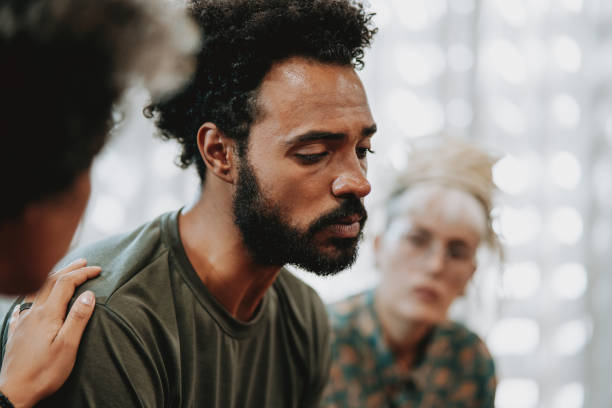
How Peer To Peer Counseling helps with PTSD
Reduces isolation:
Sharing experiences with peers fosters a sense of belonging and understanding, decreasing the loneliness often associated with PTSD.
Builds connection:
The camaraderie from shared trauma creates trust and mutual support that can be difficult to find with outside counselors.
Normalizes symptoms:
Hearing others' struggles helps individuals feel less alone and more understood, reducing stigma. Provides hope & meaning: Seeing peers manage symptoms offers hope and a sense of purpose.
Improves coping:
Peer to Peer groups effectively teach and reinforce coping skills, reducing substance use and cravings.
Increases treatment engagement:
Peer to Peer support can motivate individuals to start and stick with professional treatments.


Key difference from professional therapy
Professional therapy (like trauma-focused CBT) offers structured, evidence-based treatments for deeper processing of trauma.
Peer support offers a safe space for shared experiences and emotional support, acting as a vital adjunct to professional care, not a substitute.
Effective Peer to Peer programs